
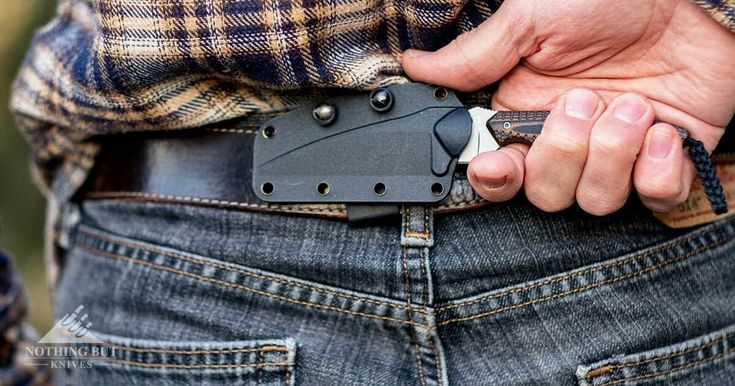
A cutting tool works best when its condition stays reliable through regular use. Small changes often appear long before serious issues develop. Many people focus only on sharpness while missing other visible clues. A close inspection can prevent poor cutting results during daily tasks. Proper attention helps maintain steady handling while reducing unnecessary strain. Many users notice better cutting control when a Best Scout Carry Knife receives routine checks before heavy use.
Early Changes That Need Attention
Small surface marks can appear after repeated cutting tasks. Tiny defects may seem harmless at first. Over time, they can affect cutting quality. Regular inspection helps identify these concerns before larger problems develop.
Surface Condition Reveals Hidden Problems
The outer area often shows the first warning signs. Scratches can indicate frequent contact with hard materials. Discoloration may suggest moisture exposure. These details help assess overall condition more accurately.
Indicators Often Seen During Routine Use
Daily observation helps identify developing concerns before major damage appears.
Regular checks require only a few moments yet provide useful information.
- Edge reflects light from several angles, showing reduced sharpness.
- Small surface marks appear after repeated cutting on hard materials.
- Cutting requires greater hand pressure during normal daily tasks.
- Material tears unevenly instead of producing smooth, clean sections.
- Tiny edge gaps become visible under simple close inspection.
- Surface colors changes suggest exposure to moisture over time.
- Cutting direction drifts slightly during straight slicing movements.
- Fine rolling along edge section affects steady cutting control.
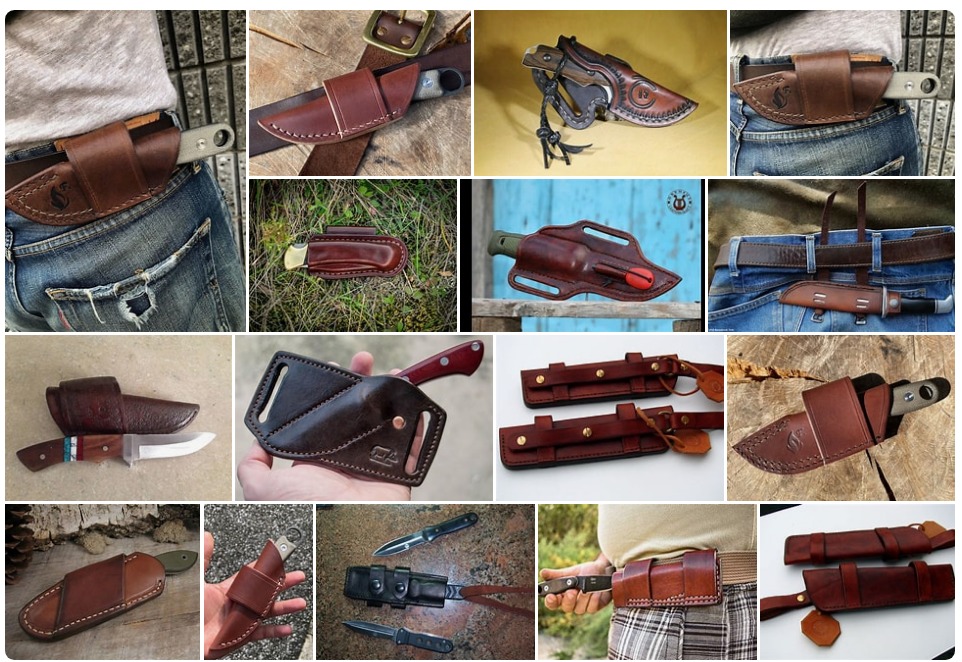
Handling Feel During Everyday Tasks
Changes in handling often appear before major cutting issues occur. A tool may feel less predictable during routine work. Slight resistance can increase hand effort. Consistent observation helps detect these changes quickly.
What Signals Suggest Immediate Inspection Needs?
Some warning signs deserve prompt attention because they can affect safe operation. Reduced cutting accuracy may indicate surface damage or edge changes. Material may begin snagging during normal use rather than moving cleanly through a cut.
Another concern involves increased force requirements. A user may notice harder pressure becomes necessary for simple tasks. Around this stage, a Best Scout Carry Knife often benefits from closer examination. Early action can prevent further deterioration while supporting steady performance.
Common Questions About Condition Monitoring
- How often should inspection occur? Check condition before regular cutting activities.
- What causes small edge chips? Hard contact surfaces often create minor damage.
- Does discoloration indicate concern? Surface staining may signal moisture exposure.
- Can dull sections affect safety? Extra force increases handling difficulties during work.
- Are scratches always serious issues? Light marks may remain harmless if monitored.
- Should uneven cutting be ignored? No, it often indicates developing edge problems.
Steady Observation Prevents Larger Issues
Reliable cutting results depend on regular monitoring rather than waiting for obvious damage. Small visual changes often appear well before serious performance loss occurs. Surface condition, edge feel, and edge shape all provide useful information during inspections. Consistent care helps reduce avoidable wear while supporting dependable operation. A simple routine focused on observation, cleaning, proper storage, plus timely maintenance offers a practical solution. Careful attention over time usually delivers better results than correcting major damage after it develops.

